
When someone you love is living with dementia, understanding what they need each day can become increasingly complicated. A routine that worked several months ago may begin to feel difficult. Your loved one may manage one part of the day independently while needing patient support with another.
Families often notice memory loss first, yet daily life can reveal much more about a loved one’s needs. How a person eats, rests, communicates, and responds to their environment can all offer helpful clues.
At Magnolias of Branchville, we believe dementia care begins with knowing the person. Each resident comes to our community with established habits, preferences, relationships, and a lifetime of experiences. We use those details to shape an individual care plan around the person receiving support.
Start With Questions About Dementia Care Routines
Before making decisions about memory care, spend some time observing your loved one’s daily routine as it happens now. A few simple questions can guide what you notice.
- When do they naturally wake?
- How do they manage meals?
- Does bathing or dressing cause confusion?
- Which parts of the day seem easier, and when do anxiety or frustration tend to appear?
Cognitive decline can make once-simple tasks harder to follow. A person may know how to begin an activity and then lose track of what comes next. Someone with Alzheimer’s disease or another form of dementia may also express their feelings differently as the disease progresses.
Keeping brief notes for several days can also help. When you are caring for someone every day, it is easy to lose track of when difficult moments happen. A simple record of the time and what came before can show you, and your loved one’s doctor or care team, what tends to trigger distress or bring comfort.
How Familiar Routines Support a Loved One With Memory Loss
Familiar routines can give daily life a reassuring rhythm.
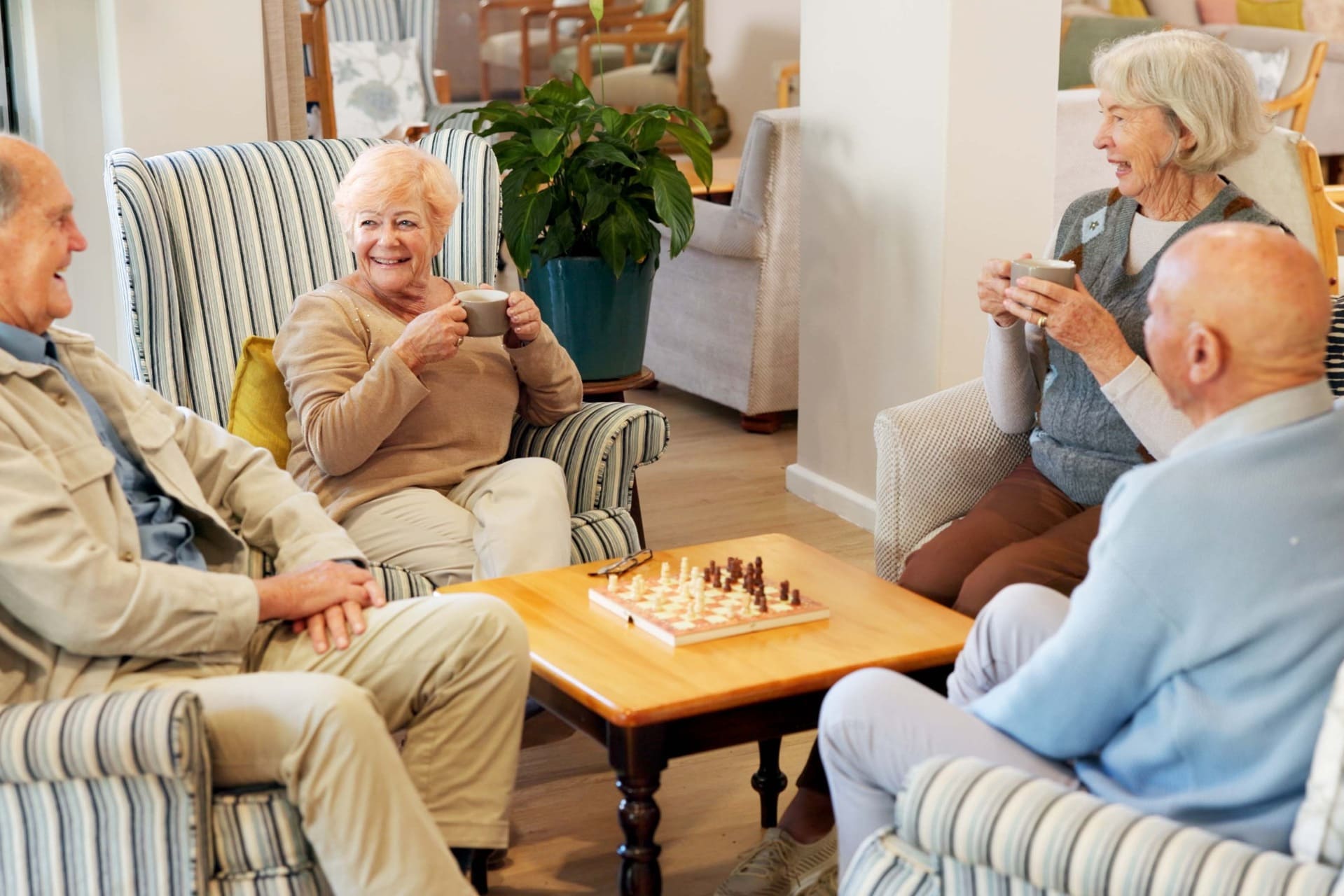
At Magnolias of Branchville, we give each new resident time to settle in. After the initial adjustment period, our team can better understand what each person can comfortably do. Residents who enjoy staying busy can then take part in simple, familiar activities alongside a team member, always by choice. These moments help create routine and give residents a sense of purpose.
The activity should reflect what the person can manage today, and caregivers can adjust it as abilities change. The main point is to see the person behind the dementia diagnosis.
Some residents enjoy activities connected to things they have done throughout life. Others prefer personalized activities, quiet time, conversation, or simply being around people they know. Opportunities for self-expression should reflect what feels comfortable for each person on a given day. This flexibility can reduce feelings of pressure, especially when someone is experiencing confusion.
Let Daily Life Guide the Dementia Care Plan
A useful care plan reflects what someone needs during the real parts of their day. Families can think about whether their loved one needs reminders, supervision, physical assistance, or simply extra time.
Timing deserves attention too. Notice when your loved one is most alert, when they become tired, and when they seem most receptive to personal care. Small adjustments to timing can make all the difference. If your loved one already has sleep and waking times that work well, keeping them may help maintain a sense of continuity.
Meals are another good example of why individual routines matter. At Magnolias of Branchville, each resident is monitored according to their individual needs, customs, and preferences. Our team encourages them to eat independently for as long as possible, even when a meal takes considerable time. Residents enjoy three full, hot meals a day, plus an evening snack and snacks available around the clock.
As care needs change, regular communication with families helps us adjust support and keep the plan relevant. Families should also speak with a health professional when a change happens suddenly. New confusion or behavioral changes may have causes that require medical care not related to dementia.
What a Typical Day Looks Like for Dementia Patients
When families visit memory care communities, one of the most helpful questions to ask is what a typical day actually looks like.
For people living with dementia, a predictable rhythm matters more than a busy calendar. Meals, activities, and rest that happen at similar times each day help reduce confusion, because the person doesn’t have to work out what comes next.
A good daily routine also balances activity with quiet time. Many people are more alert earlier in the day and tire more easily later, so a well-planned day follows those natural patterns instead of working against them.
Flexibility matters just as much. Dementia patients may feel energetic one morning and need a slower pace the next. Ask how the community adjusts when a resident isn’t up for the usual routine.
Safety in Memory Care Communities
As dementia progresses, changes in memory, judgment, orientation, and awareness can make everyday environments harder to navigate safely. A secure memory care setting can give residents greater freedom to move around while reducing the risks that may come with confusion or becoming disoriented.
At Magnolias of Branchville, our entire property is secure. The community has mag-lock security doors and secured courtyard gates, along with a secure outdoor courtyard featuring a walking path, gazebo, and lavender garden.
Questions to Ask When Comparing Memory Care Facilities
The right community takes time to get to know your loved one. During a visit, encourage conversation about their history, current abilities, and what a good day looks like for them. Ask how the care plan is created and how it changes as needs evolve.
Useful questions to ask include:
- What dementia-specific training does the team receive?
- What is the staff-to-resident ratio, day and night?
- How are meals handled when someone eats slowly or needs encouragement?
- How do residents move through the community, and how are outdoor spaces secured?
- How does the community keep a family member informed about changes?
The answers can help families see whether a community’s daily approach to care matches their loved one’s routines, preferences, safety needs, and changing abilities.
Memory Care Costs as Part of the Care Plan
Memory care costs vary between communities. Look closely at what each monthly price includes, and ask whether charges increase as needs change.
Magnolias of Branchville starts at $5,050 per month, with no community or application fees. We do not use separate levels of care, so the monthly fee does not increase as a resident’s care needs progress.
It may also help to compare this with your current living expenses. In-home services, transportation, safety changes at home, and the time family members spend caregiving all add to the true cost of care at home.
Planning Next Steps Around Your Loved One’s Daily Life
Understanding your loved one’s routine gives you useful information before deciding on next steps. Notice what helps them feel comfortable, when confusion appears, and which activities still bring enjoyment. These everyday observations can lead to more productive conversations with care providers and a plan that reflects your loved one’s needs.
Magnolias of Branchville is dedicated entirely to memory care. We meet residents where they are and shape support around each person.
If you are exploring dementia care for someone you love and feel unsure about the next step, our team at Magnolias of Branchville is here to help. Contact us to talk through your loved one’s routines, care needs, and preferences, or schedule a personal visit to see what daily life in our community could look like.
Frequently Asked Questions About Dementia Care
Can residents bring belongings from home?
Yes. We encourage families to bring personal photos and belongings to give the room a sense of familiarity. We find minimal furnishings work best in memory care, so each room has recessed lights on dimmers, which removes the need for lamps that could become a hazard.
Is occupational therapy available for residents?
Yes. Visiting therapy professionals can provide physical, speech, and occupational therapy when appropriate, so residents can receive additional support while remaining in familiar surroundings.
Does Magnolias of Branchville offer short-term or respite memory care?
No. We do not currently offer short-term stays because settling into memory care takes time. Our approach focuses on helping each resident build familiarity and routine within the community.
Does Magnolias of Branchville work with the Alzheimer’s Association?
Yes. We are affiliated with the local Alzheimer’s Association, which offers families information, education, and support groups.